Repairing Loose Railings, Steps, and Handrails
People searching for repairing loose railings, steps, and handrails are typically looking to improve safety and stability, and local contractors can provide expert repair services to secure and restore these structures.
If you’ve noticed that your railings, steps, or handrails are becoming loose or unstable, you're not alone. Such issues can pose safety concerns and affect the overall appearance of your property. Property owners in the area often explore repair options to ensure their outdoor spaces remain secure and inviting. Whether it's a minor wobble or more significant looseness, addressing these problems promptly can prevent further damage and maintain the safety of everyone who uses your property.
Finding the right local contractors to handle repairing loose railings, steps, and handrails is a practical step toward restoring stability and safety. Skilled service providers can evaluate the condition of your existing features and recommend appropriate repairs or replacements. Keep reading to learn more about common causes of looseness, what repairs typically involve, and how connecting with trusted local experts can help keep your property safe and looking its best.
- Loose railings - homeowners noticing wobbly or unstable railings can rely on local contractors to securely fasten and reinforce them for safety.
- Steps - when stairs become loose or creaky, service providers can evaluate and repair or replace damaged components to ensure stability.
- Handrails repair - individuals experiencing loose or wobbly handrails can have local specialists tighten, realign, or replace them for improved support.
- Loose railings - damaged or shifting railings often require expert assessment and secure anchoring to prevent accidents.
- Steps and handrails - local contractors can address issues with loose or unstable steps and handrails, restoring safety and structural integrity.
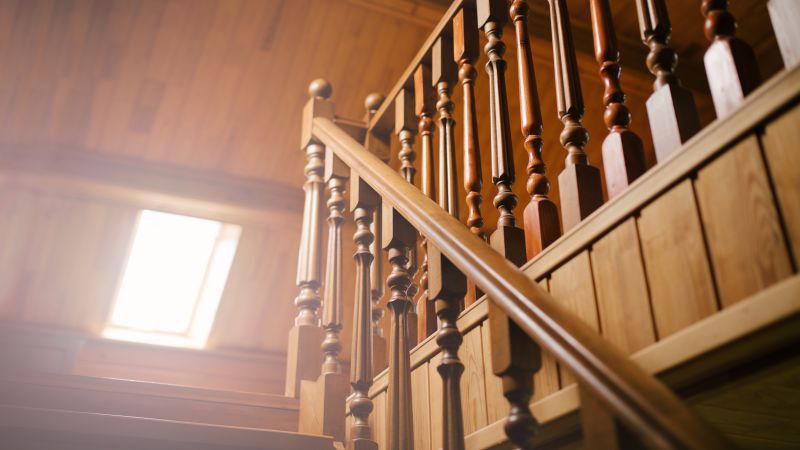

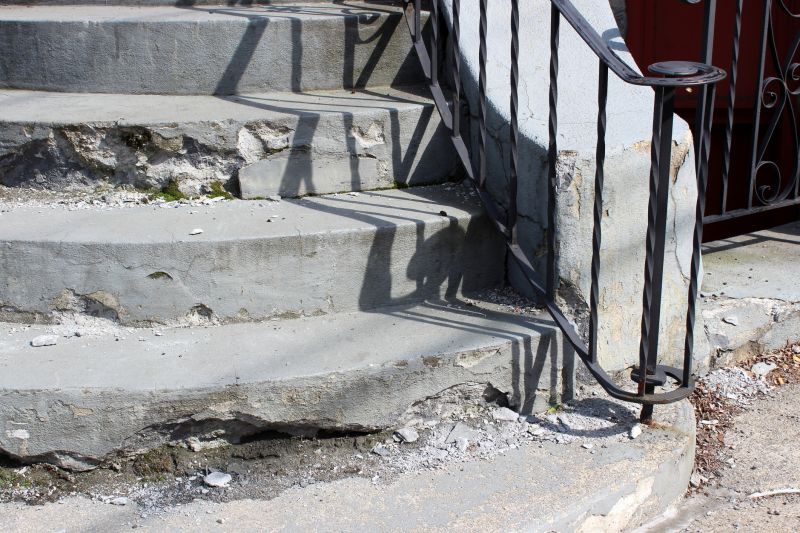
When searching for information about repairing loose railings, steps, and handrails, homeowners typically want to address safety concerns and restore stability to their property’s outdoor or indoor features. Loose railings and handrails can pose fall hazards, especially on stairs, balconies, or decks, making timely repairs essential. People often look for solutions that improve safety, prevent further damage, and maintain the aesthetic appeal of their property. The focus is usually on fixing or replacing components that have become wobbly, cracked, or detached, ensuring that these elements are secure and reliable for everyday use.
This topic relates to a variety of problems and planning considerations around property maintenance and improvement projects. Common issues include loose or unstable railings that may have become wobbly over time due to weather exposure, age, or structural shifts. Homeowners might also be planning renovations or upgrades to their stairs, decks, or porches, which involve inspecting and repairing existing handrails and steps to meet safety standards. Whether it’s a minor tightening or a complete replacement, addressing loose railings, steps, and handrails is a key part of maintaining a safe and functional property.
The types of properties that typically come up in discussions about repairing loose railings, steps, and handrails include residential homes, especially those with multi-story structures, porches, or decks. Older homes with original or weathered components are common candidates for repairs. Additionally, townhouses, condominiums, and apartment complexes may also require maintenance of their stairways and safety features. Commercial properties such as restaurants, retail stores, and office buildings with outdoor stairs or ramps may need similar repairs to ensure compliance with safety standards. In all cases, the goal is to keep these features secure and safe for residents, visitors, or customers.
Local service providers who specialize in repairing loose railings, steps, and handrails are experienced in handling a range of property types and repair needs. They can assess the condition of existing components, recommend appropriate fixes, and perform the necessary work to restore stability. Whether it involves tightening existing fittings, replacing damaged parts, or installing new handrails, these pros play a crucial role in helping homeowners and property managers maintain safe, durable, and visually appealing stairways and safety features. Connecting with skilled local contractors ensures that repairs are done correctly, providing peace of mind for those seeking reliable solutions.
Deck and Porch Repair - repairing loose railings, steps, and handrails is similar to fixing deck and porch components that require secure attachment and stability, and local contractors can handle both projects.
Staircase Installation and Repair - both involve ensuring safe, stable handrails and steps, requiring similar skills in fastening, leveling, and structural reinforcement provided by local service providers.
Balcony and Balcony Railing Repair - restoring loose or damaged balcony railings shares techniques with loose railing repairs, with local pros specializing in secure and safe installations.
Fence and Gate Repair - fixing loose or unstable fences and gates involves similar planning and fastening skills as repairing loose railings and handrails indoors or outdoors.
Interior Staircase Renovation - updating or repairing interior stairs often includes fixing loose handrails and steps, with local contractors experienced in both areas.
Exterior Staircase Construction - building or repairing outdoor stairs requires similar attention to stability and safety features as loose railing repairs, handled by local specialists.
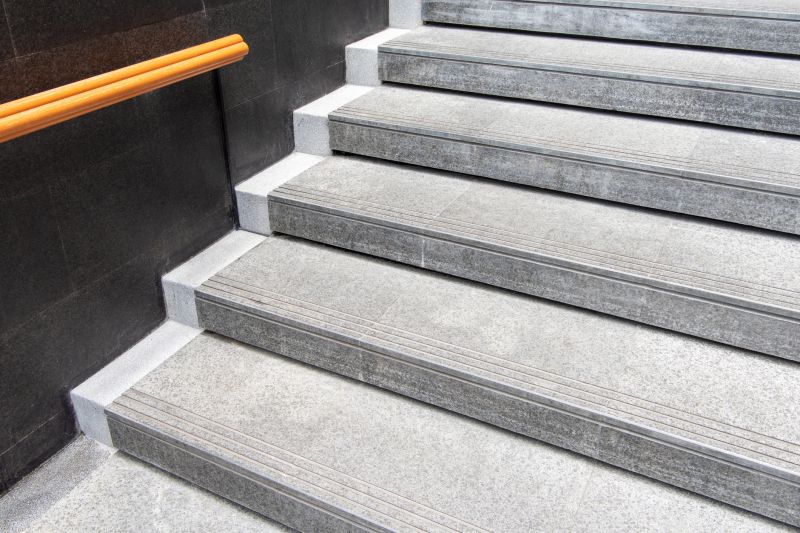
When evaluating service providers for repairing loose railings, steps, and handrails, it’s important to consider their experience with similar projects. Homeowners should look for local contractors who have a proven track record of successfully completing repairs involving railing stability and safety. An experienced professional will be familiar with common issues, appropriate repair techniques, and the materials needed to ensure the fix is durable and reliable. Checking references or reviews can provide insight into a contractor’s history with comparable work, helping homeowners gauge their ability to deliver quality results.
Clear written expectations are essential when choosing a repair service. Homeowners should seek contractors who can provide detailed descriptions of their proposed work, including the scope of repairs, materials to be used, and any necessary follow-up or maintenance steps. Having a well-defined plan helps prevent misunderstandings and ensures that both parties are aligned on the project’s goals. It’s also beneficial to ask for a written estimate or proposal that outlines costs and timelines, so expectations are transparent from the outset.
Effective communication is a key factor in selecting the right local contractor for loose railing, step, and handrail repairs. Service providers who are responsive, willing to answer questions, and able to explain their approach clearly demonstrate professionalism and a commitment to customer satisfaction. Good communication helps homeowners feel confident in the repair process and ensures that any concerns or adjustments can be addressed promptly. Choosing a contractor who values clear dialogue and provides updates throughout the project can lead to a smoother experience and a more secure, long-lasting repair.
Property owners often search for repairing loose railings, steps, and handrails when they are planning practical projects around their homes and businesses. Local pros provide Loose Railings, Steps, and Handrails Repair services for everyday jobs and straightforward project options.
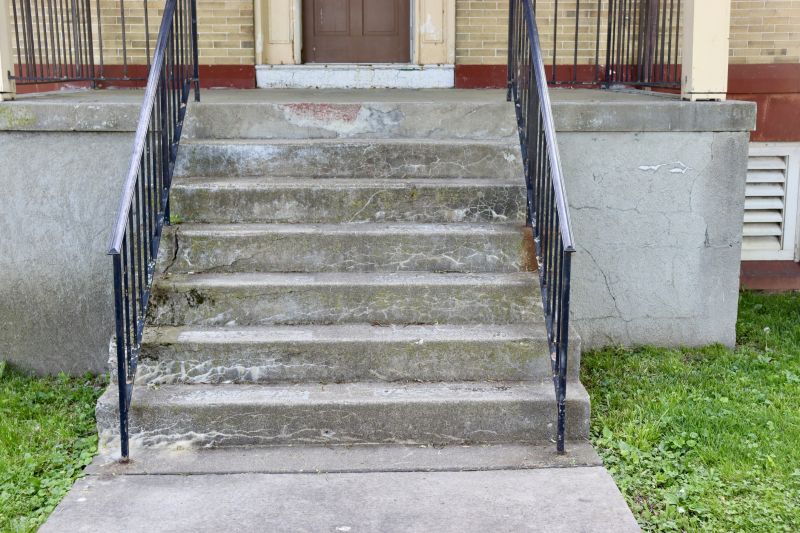
Loose railings, steps, and handrails are common issues that property owners often encounter in everyday settings. Whether it's a handrail that wobbles near the front porch or a loose step in the entryway, these problems can pose safety concerns and affect the overall appearance of a property. Many homeowners and property managers look up repair services to ensure their walkways and staircases remain secure and functional, especially as part of routine maintenance or after noticing instability.
When seeking solutions for repairing loose railings, steps, and handrails, local contractors are equipped to handle these common repairs efficiently. They can assess the situation, identify the underlying causes of looseness, and perform the necessary fixes to restore stability. Engaging experienced service providers can help property owners maintain safe, reliable access points around their homes and buildings without the hassle of handling repairs themselves.
What causes railings, steps, and handrails to become loose? Loose railings, steps, and handrails can result from age, frequent use, weather exposure, or improper installation, which may lead to safety concerns.
How can local contractors fix loose railings, steps, and handrails? Local service providers typically assess the stability of the existing structures, then securely fasten or replace hardware, and repair or reinforce the mounting surfaces as needed.
Are there different repair options depending on the material of the railings or steps? Yes, repair approaches vary based on materials such as wood, metal, or composite, with pros selecting appropriate fasteners, adhesives, or reinforcement techniques for each type.
Is it necessary to replace entire railings or steps if they become loose? Not always; many loose railings, steps, and handrails can be repaired or reinforced without full replacement, depending on the extent of damage or wear.
What should I consider when choosing a service provider for repairing loose railings, steps, and handrails? It’s important to select experienced local contractors who can evaluate the structure’s condition and provide appropriate, durable repair solutions.
Assessing stability - Property owners can evaluate loose railings, steps, and handrails to identify specific areas needing repair before engaging local contractors.
Selecting repair methods - Considering different repair techniques helps determine whether tightening, replacing, or reinforcing components is most suitable for the project.
Choosing materials - Picking appropriate materials ensures repairs match existing structures and improve the longevity of loose railings, steps, and handrails.
Planning for safety - Incorporating safety considerations during repair planning can help prevent future loosening and maintain secure, stable handrails and steps.
If you are thinking about repairing loose railings, steps, and handrails for a property, this guide is meant to help you understand this topic, the typical project types, and how different options might fit your plans.
When you are ready, you can use the quote form on this page to share a few details about your project. From there, local pros can review the basics and follow up with options that match what you have in mind.